
REVIEW · MUMBAI
Primmum Mumbai Sightseeing With Local Train Ride Experience
Mumbai comes into focus when you leave the tour vehicle and board a local train. This seven-hour outing links famous sights with ordinary city life, then gives you 90 minutes in Dharavi with a guide from the community. The train ride is the most unusual part, while the Dharavi visit gives the day its strongest human connection.
I like the broad mix of places, from the Gothic stonework of Chhatrapati Shivaji Terminus to the sea views at Marine Drive. I also like the small maximum group of 12, bottled water, private transportation, and the chance to request guides such as Rahul or Kevin. The main drawback is the pace: most landmark stops last only 10 to 15 minutes, and Dharavi may feel noisy, crowded, and intense.
Key points at a glance
- A real Mumbai local train ride: The short ride from the Mahalaxmi area puts you into the city’s daily rhythm instead of viewing it only through a vehicle window.
- Dharavi with a local guide: The 90-minute walk focuses on homes, work, and small businesses in one of Mumbai’s most talked-about communities.
- Mumbai’s essential postcard sights: You visit CST, the Gateway of India, Rajabai Clock Tower, Marine Drive, Hanging Gardens, and Kamala Nehru Park.
- A useful first-day orientation: The route covers South Mumbai, Malabar Hill, Mahalaxmi, and Dharavi in one long outing.
- Small-group support: The maximum group size is 12, with an English-speaking guide and private transportation.
- Good value for a packed day: At $39.62 per person, the price is attractive if you want transport, guiding, the train ride, and Dharavi included.
Why this tour feels different from a standard Mumbai drive
Many city tours keep you inside a car or minibus and point out sights through the glass. This one asks you to switch modes. You see grand colonial-era buildings, walk through public spaces, watch laundry workers at Dhobi Ghat, ride a local train, and then spend time in Dharavi.
That change matters. Mumbai is not a city you understand from its monuments alone. The local train gives you a brief look at the system that carries daily life across the city, while Dharavi shows how work and housing fit together in a dense urban community.
The itinerary is also practical for a first visit. You cover a lot of ground without having to work out Mumbai’s transport on your own. The tradeoff is that this is a sampler, not a slow sightseeing day. You will get a taste of each place, then move on.
The listed price is $39.62 per person. For a roughly seven-hour outing, that is good value if you would otherwise need to hire a car, arrange a guide, and figure out the train. Bottled water, private transportation, and an English-speaking guide are included. Tips are not included, so plan for that extra cost.
More Train Tours in Mumbai:
- Dabbawala, Dhobi Ghat & Dharavi slum Tour with Local Train Ride
★ 5.0 · 102 reviews - Mumbai: Dharavi Slum and Dhobi Ghat Tour with Train Ride
★ 5.0 · 9 reviews - Mumbai City + Dabbawala aka Lunchbox + Train Ride Tour – The Unfeigned Mumbai.
★ 5.0 · 6 reviews
Chhatrapati Shivaji Terminus: begin with Mumbai’s grand railway gateway
The first stop is Chhatrapati Shivaji Terminus, usually called CST. The building is one of Mumbai’s great visual introductions, with elaborate Gothic architecture and the feel of a working railway station rather than a quiet museum piece.
The tour promises time inside the station area, not only an outside photograph. That is useful because CST is both a historic building and a functioning transport hub. You can see the contrast between decorative stonework and the daily movement of commuters.
The scheduled stop is 15 minutes, so keep your expectations in check. You will not study every architectural detail. Your guide can point out the important features and explain why the station matters before the group moves on.
Gateway of India: a quick look at Mumbai’s famous arch
At the Gateway of India, you get one of the city’s classic views: the monumental arch facing the Arabian Sea. It is an essential stop, especially for a first visit, and the guide provides the historical setting behind the structure.
Again, the time is short, about 15 minutes. That is enough for photographs and a brief explanation, but not enough for an unhurried visit to the surrounding waterfront. If you want quiet time here, you may need to return on your own.
The stop works well in this itinerary because it gives you the grand public face of Mumbai before the day moves into more everyday settings.
Rajabai Clock Tower: Gothic detail in a busy city
The Rajabai Clock Tower is a 10-minute stop, focused on its Gothic design and place among Mumbai’s historic buildings. This is a visual pause rather than a full visit inside a site.
You will likely appreciate the stop most if architecture interests you. The tower helps explain why parts of South Mumbai feel so different from the city’s newer districts. Since the visit is brief, listen closely when the guide shares the background and take your photographs promptly.
The route does not promise entry to the tower, so treat this as an exterior viewing stop.
Same tracks, a very different ride:
- Mumbai: Dhobi Ghat Tour with Dharavi and Train Ride Options
★ 3.4 · 5 reviews - Dharavi Slum & Dhobi Ghat Mumbai: Private Guided Tour
★ 5.0 · 4 reviews - Dhobi Ghat Laundry and Dharavi Slum Tour with Local Train
★ 5.0 · 4 reviews - Mumbai Unseen: Local Train Ride And Sightseeing Tour
★ 5.0 · 3 reviews
Marine Drive: the Queen’s Necklace from the shore
Marine Drive is one of Mumbai’s most recognizable stretches of waterfront. From here, you can see the curve of the road and the line of buildings often called the Queen’s Necklace, a name inspired by the lights that appear along the bay.
The scheduled visit lasts about 10 minutes. That is enough to take in the view and hear the guide explain the importance of the promenade, but it is not a long seaside walk.
I like this stop as a change of mood. After the stone architecture of South Mumbai, the open bay gives you space to look across the city. If photographs matter to you, keep your camera ready because the stop moves quickly.
Hanging Gardens and Kamala Nehru Park: two Malabar Hill viewpoints
The next two stops sit on Malabar Hill. At Hanging Gardens, you see terraced gardens and views over Mumbai. The guide explains the gardens and their plant life, while the higher position gives you a different angle on the city.
Kamala Nehru Park follows, with another elevated viewpoint and green space. The tour allots 15 minutes at Hanging Gardens and 10 minutes at Kamala Nehru Park. Together, they offer a short break from traffic and buildings.
Do not expect a long garden visit. These are quick photo and viewpoint stops, useful for orientation but limited in depth. If you enjoy public parks, you may wish you had more time. Still, including both helps show how Mumbai’s setting changes as roads climb away from the waterfront.
Mani Bhavan: a more focused historical stop
Mani Bhavan is the itinerary’s most substantial museum visit before Dharavi. You have about 25 minutes here, with admission included, to learn about Mahatma Gandhi’s life and work in Mumbai.
The building is important because it connects national history with a specific residence and working place. Personal artifacts and displays make the subject more immediate than a passing monument stop.
Twenty-five minutes is not a great deal of time for a museum, but it is enough for a focused introduction. If Gandhi’s role in India’s independence movement matters to you, pay attention to the guide’s explanation and use your time inside carefully.
This stop also adds balance. The day is not only about buildings, traffic, and city spectacle. Mani Bhavan gives you a quieter historical chapter.
Dhobi Ghat: watch a working laundry district
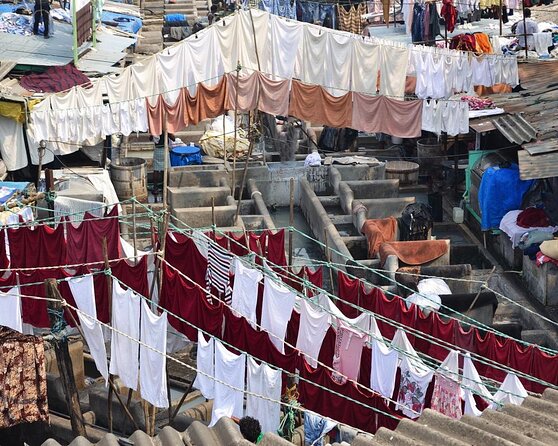
At Dhobi Ghat, the tour pauses for about 10 minutes to view Mumbai’s famous outdoor laundry operation. Laundry workers, known as dhobis, wash clothes by hand and organize them through a large working site.
The brief stop is mainly for observation and explanation. You should not expect a long walk through the operation. The guide can help you understand what you are seeing and why Dhobi Ghat has become such a well-known part of Mumbai’s urban story.
This is also a place where respectful behavior matters. It is a workplace, not a staged show. Follow the guide’s instructions, avoid intrusive photography, and remember that people are working while you watch.
The Mahalaxmi local train ride: the day’s most useful adventure
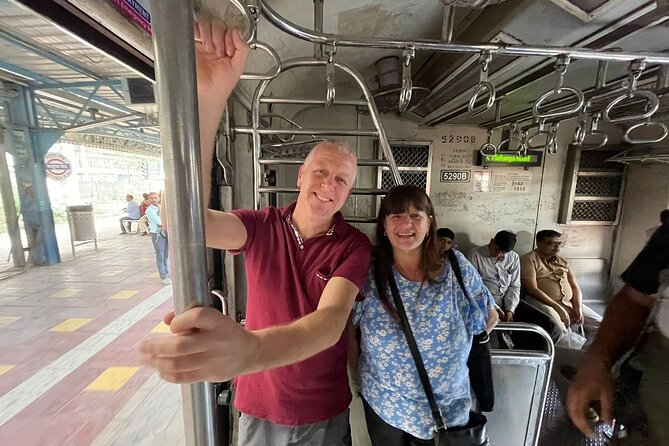
The local train segment is scheduled for about 15 minutes near Mahalaxmi. The company describes it as one of the few Mumbai tours that includes this kind of ride, and it is the part most likely to make the day feel like a real city experience rather than a sightseeing circuit.
The ride is short, but the point is not distance. It is the act of using Mumbai’s railway system, even briefly. You feel the movement of the city in a way that a private vehicle cannot provide.
This is where the guide matters most. Stay close, listen carefully, and follow directions. A station visit can be confusing if you are watching the architecture, people, platforms, and train at the same time. The itinerary gives only 15 minutes, so there is no room for wandering off.
The experience may feel hectic, especially if you prefer slow and quiet touring. That is part of the appeal, but it is also the section where you should be prepared for crowds and noise. You are not being promised a leisurely rail journey. You are getting a short, practical taste of a major part of Mumbai life.
Dharavi: spend 90 minutes looking past the stereotype
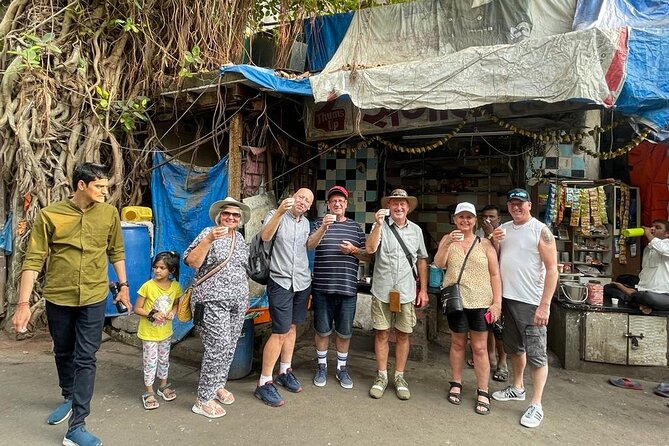
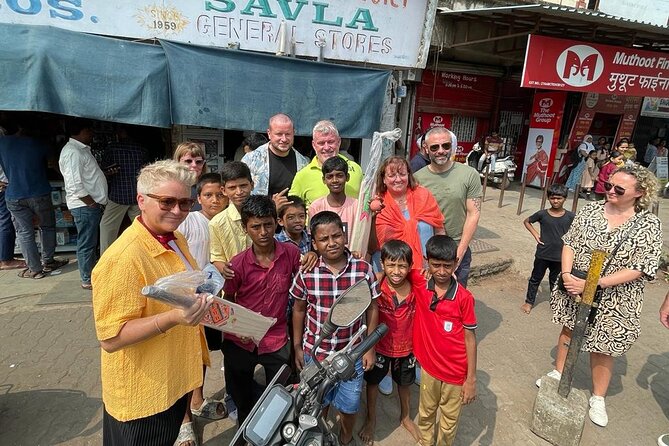
The final stop is Dharavi, with about 90 minutes and admission included. The tour uses a local guide from the community, which gives the visit a stronger connection to the people who live and work there.
The focus is not simply on poverty. You can expect attention to local businesses, working life, housing, and the way the community functions. The visit is intended to show Dharavi as a place where people earn a living and build businesses, not as a backdrop for photographs.
You should also prepare for a demanding setting. Dharavi can be hectic and noisy, and the walking may feel intense after a full day of sightseeing. That does not make the stop a poor choice, but it does mean you should approach it with respect and an open mind.
I consider the 90-minute length a strong feature. It gives the guide enough time to explain more than a quick roadside view, while keeping the visit within a seven-hour schedule. Listen, ask thoughtful questions, and let the local guide set the tone.
The Dharavi portion is also where the tour’s promise of an authentic city experience is tested. If you want only polished monuments, this may not suit you. If you want to understand how work, homes, and community can exist in a dense part of Mumbai, it is likely to be the most memorable stop.
Guides, transport, and the pace of the day
Young Tours and Travel provides an English-speaking guide, private transportation, and bottled water. Rahul and Kevin are named guides associated with the experience. The strongest praise centers on friendly service, punctuality, useful local stories, and the ability to adjust plans for people with limited time.
The maximum group size is 12. That is small enough for questions and easier movement than a large coach group, though the tour is not a private outing for one household unless you arrange it that way.
Pickup is offered, which saves you the task of finding the first meeting point. Because the day covers many districts, private transport between stops is useful. The train ride remains the one clear change from the vehicle-based part of the day.
The schedule is full. Several stops last only 10 minutes, so you should see this as an introduction to Mumbai rather than a set of complete site visits. The benefit is range. The cost is limited time at each place.
Most people can take part, and service animals are allowed. The activity is near public transportation as well. The supplied information does not promise special access arrangements, so contact the provider if you have specific mobility needs.
Who should book this seven-hour Mumbai tour
I would choose this outing if you are visiting Mumbai for the first time and want a broad orientation in one day. It is especially useful if you want both famous sights and a look at daily city life.
It suits you if you:
- Want an English-speaking guide rather than a self-guided day
- Prefer a small group with transport between districts
- Are curious about riding a Mumbai local train
- Want time in Dharavi with a local community guide
- Have limited time and want to cover many major sights
- Like a packed schedule with frequent changes of scene
You may prefer a slower private itinerary if you want long visits at museums, parks, or waterfront sites. The tour also may not suit you if crowds, noise, or a short Dharavi walk would make you uncomfortable.
The $39.62 price makes the outing easy to justify for a first visit. You are paying for seven hours of organization, guiding, transportation, water, the train segment, and the Dharavi visit. The value is strongest when you want to avoid piecing those elements together yourself.
Free cancellation is available up to 24 hours before the start time. Cancellations made later are not refunded, and changes inside that period are not accepted.
Should you book it?
Book this tour if you want Mumbai in broad strokes, with a little of the city’s daily rhythm added to the usual monuments. The local train and Dharavi visit give it more character than a standard drive-by sightseeing route, while the landmark stops help you get oriented.
Skip it if your priority is lingering at one museum, taking a long coastal walk, or setting your own pace. For everyone else, this is a well-priced first look at Mumbai, provided you are ready for a busy day and a respectful, sometimes intense visit to Dharavi.
FAQ
How long does the Mumbai sightseeing tour last?
The tour lasts approximately seven hours.
What is included in the price?
The price includes bottled water, private transportation, and an English-speaking tour guide. Tips are not included.
Does the tour include a Mumbai local train ride?
Yes. The itinerary includes a local train ride near Mahalaxmi, scheduled for about 15 minutes.
How long is the Dharavi visit?
The Dharavi portion lasts approximately one hour and 30 minutes and is guided by local residents from the community.
What is the maximum group size?
The tour has a maximum of 12 participants.
Can I cancel for a full refund?
You can cancel at least 24 hours before the experience starts for a full refund. Cancellations or changes made less than 24 hours before the start time are not accepted for a refund.
Just added around Mumbai
- Mumbai Unseen: Local Train Ride And Sightseeing Tour★ 5.0 · 3 reviews
- Mumbai Slum Tour with Dhobi Ghat Laundry & Train Ride Tour★ 5.0 · 2 reviews
- Dharavi Slum & Dhobi Ghat Mumbai: Private Guided Tour★ 5.0 · 4 reviews
- All in one-Combo of City, Dhobighat, Slum & Dabbawala with ferry and train ride.★ 4.5 · 2 reviews
- Meet Dabbawala Visit Dhobi Ghat & Dharavi slum with Train★ 5.0 · 2 reviews
- Mumbai: Dhobi Ghat Tour with Dharavi and Train Ride Options★ 3.4 · 5 reviews
- Dhobi Ghat Laundry and Dharavi Slum Tour with Local Train★ 5.0 · 4 reviews
- Dabbawaala Dhobi Ghat Dahravi slum With Local Train Ride★ 5.0 · 2 reviews
Mumbai Train Tours, compared.

Dabbawala, Dhobi Ghat & Dharavi slum Tour with Local Train Ride
Read our review →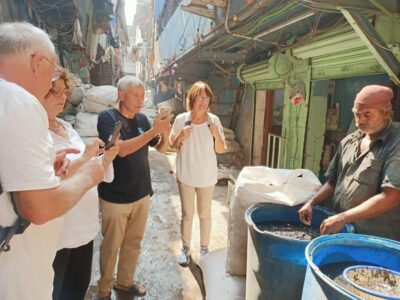
Mumbai City + Dabbawala aka Lunchbox + Train Ride Tour – The Unfeigned Mumbai.
Read our review →
Dhobi Ghat Tour with Dharavi and Train Ride Options
Read our review →
Dhobi Ghat Laundry and Dharavi Slum Tour with Local Train
Read our review →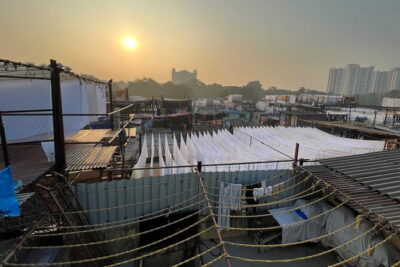
Dharavi Slum & Dhobi Ghat Mumbai: Private Guided Tour
Read our review →
Best Combo Tour: Dabbawalas, Dhobi Ghat and Slum with Train
Read our review →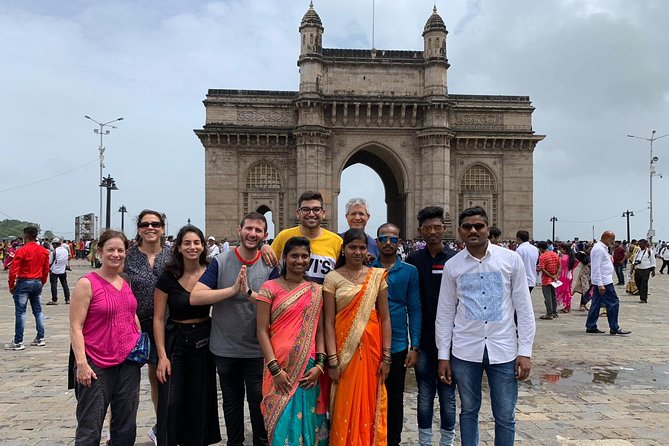
Mumbai Unseen: Local Train Ride And Sightseeing Tour
Read our review →Browse the lists this tour appears in