
REVIEW · MUMBAI
Mumbai: Dhobi Ghat Tour with Dharavi and Train Ride Options
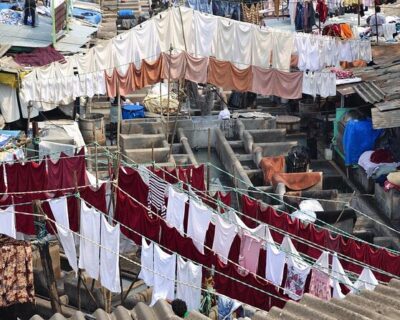
Mumbai’s Mahalaxmi Dhobi Ghat is not a museum piece. It is a working laundry where dhobi families wash, dry, and press clothes brought from across the city. The rows of washing pens and bright fabric make a strong photo subject, but the real value is seeing a long-standing trade still carried out by hand.
I like the direct look at ordinary work, and I like that you can add a Dharavi tour and train ride instead of stopping after one short visit. English guidance helps explain what you are seeing. The main caution is timing: one reported booking lasted only about 10 minutes despite a one-hour confirmation, so you should confirm the planned length and meeting details before setting out.
Key points to know
- Mahalaxmi Dhobi Ghat is a working laundry, not a staged attraction, with dhobi families handling washing, drying, and pressing.
- Hand work remains central, even though some families also use machines.
- Rows of colored clothing and washing troughs give photographers plenty to notice.
- Rakesh is a named guide, and his relaxed approach and willingness to answer questions are useful on a place that can be hard to read from the outside.
- Optional Dharavi and train-ride additions can turn a brief Dhobi Ghat visit into a broader look at Mumbai life.
- The $11 starting price is modest, but value depends heavily on the option selected and the actual time spent with the guide.
Why Dhobi Ghat tells you more than a photo stop
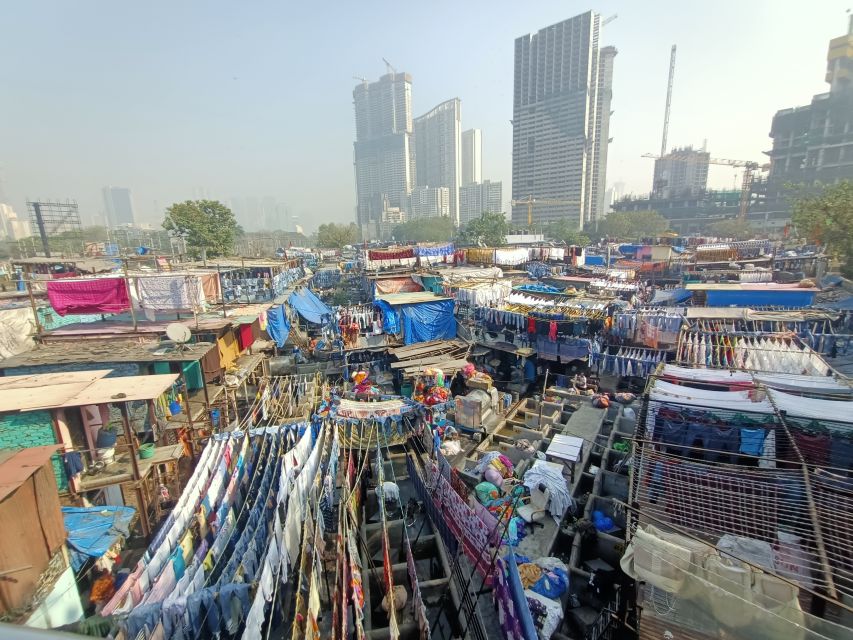
Dhobi Ghat has operated for more than a century and is widely described as the world’s largest open-air laundry. That claim is impressive, but you do not need a record-breaking statistic to appreciate the place. The interest is in the system: clothes arrive from different parts of Mumbai, families handle separate tasks, and the garments move through washing, drying, and pressing before returning clean.
I find this kind of stop more useful than a polished cultural display because the work continues whether tourists are present or not. You get a look at a service that supports city life, while also seeing how a family trade can adapt without losing its old methods.
The setting is particularly striking for photography. Rows of concrete washing pens, hanging clothes, wet fabric, and large charcoal irons create strong patterns and color. Still, remember that this is someone’s workplace. Your guide matters here, since a good explanation helps you observe without treating the dhobis or their work as a backdrop.
More Train Tours in Mumbai:
- Dabbawala, Dhobi Ghat & Dharavi slum Tour with Local Train Ride
★ 5.0 · 102 reviews - Mumbai: Dharavi Slum and Dhobi Ghat Tour with Train Ride
★ 5.0 · 9 reviews - Primmum Mumbai Sightseeing With Local Train Ride Experience
★ 5.0 · 7 reviews
Entering Mahalaxmi’s open-air laundry

The tour begins at a meeting point that depends on the option you book. From there, an English-speaking guide leads you toward the Dhobi Ghat area and explains its place in Mumbai’s past and present.
The exact path and order of stops are not specified, so you should expect a guided visit rather than a fixed, fully itemized route. That flexibility can be helpful in a working environment. Conditions may change during the day, and the guide can direct your attention to areas where the washing and drying work is taking place.
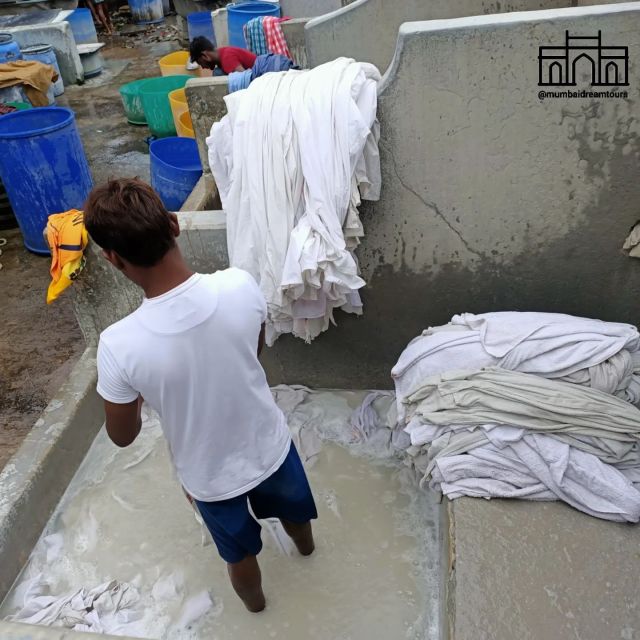
You may see clothes being beaten in washing troughs, then carried or arranged for drying. The information provided describes each family member taking responsibility for a part of the process. One person may handle the washing, while others hang fabric to dry. Another person may press the finished clothes with a heavy charcoal iron.
This division of labor is one of the most interesting parts of the visit. The laundry is not simply a row of people doing the same job. It is a family-run chain, with each stage helping the next one move forward.
Washing, drying, and pressing by hand
The old methods are the main reason to book this experience. Some dhobi families use machines, but much of the work remains manual. That balance is worth noticing. The Dhobi Ghat is not frozen in time, yet it has not abandoned the methods that shaped its identity.
The washing troughs are where the physical work is easiest to understand. Clothes are worked by hand, and the traditional method includes flogging fabric against the washing surface. From there, the garments are hung out to dry, creating the lines of color that make the ghat so recognizable.
Pressing comes later, with bulky charcoal irons used to give clothes a crisp finish. This detail adds a practical edge to the visit. You are not only seeing how garments are cleaned, but how they are prepared for customers who expect them to return neat and ready to wear.
If you enjoy street photography, bring patience rather than only a camera. The most useful images often come after you understand what is happening. Your guide can help explain the sequence and the role of the workers, giving the scene more meaning than a quick photograph from the outside.
What the guide adds to the visit
A Dhobi Ghat can look confusing at first. The rows of pens, hanging fabric, workers, and movement form a busy scene, and it is not obvious how the whole operation fits together. A guide turns those details into a story about work, family roles, and Mumbai’s daily needs.
Rakesh is named as one of the guides for this experience. His reported style is relaxed, and he is described as willing to answer questions. That is a useful combination here. You want clear information, but you also want enough time to look around and ask why a particular task is done.
The guide can also take you through narrow or less familiar lanes connected with the visit. That may appeal if you want more than the standard viewpoint, but it is another reason to stay close to the group and follow local guidance. The point is to see a real working area respectfully, not to wander into private spaces.
Because the overall rating is mixed, I would treat the guide as an important part of the value. A strong guide can make a short visit feel focused and worthwhile. A poorly timed or rushed visit may leave you feeling that you saw only the entrance.
Same tracks, a very different ride:
- Mumbai City + Dabbawala aka Lunchbox + Train Ride Tour – The Unfeigned Mumbai.
★ 5.0 · 6 reviews - Dharavi Slum & Dhobi Ghat Mumbai: Private Guided Tour
★ 5.0 · 4 reviews - Dhobi Ghat Laundry and Dharavi Slum Tour with Local Train
★ 5.0 · 4 reviews - Mumbai Unseen: Local Train Ride And Sightseeing Tour
★ 5.0 · 3 reviews
Adding a train ride to the Dhobi Ghat visit
The train-ride option adds a useful piece of Mumbai life to the day. Mumbai’s rail system is part of the city’s daily rhythm, and riding it gives you a view that is different from walking around a sightseeing area.
The available information does not specify the route, departure station, ride length, or whether the train portion is private or part of public service. You should check those details when booking. Do not assume that every Dhobi Ghat option includes the ride, because it is listed as an add-on.
I like the idea of pairing the railway with the laundry. The two experiences show different forms of city infrastructure: one moves people, while the other processes clothing. Both are practical systems that keep Mumbai operating, and neither feels designed only for sightseeing.
The train addition also changes the value calculation. At $11, a Dhobi Ghat-only visit can be inexpensive if the time is properly delivered. A package with the train ride may make better sense if you want a fuller outing and prefer to have the route explained rather than work it out on your own.
Adding Dharavi for a broader view of Mumbai
You can also select a Dharavi tour. Dharavi is often reduced to a single image, but a guided visit can offer a more grounded look at work and neighborhood life. The supplied details do not give a full Dharavi route, duration, or list of stops, so you should ask what is included in the option you choose.
The connection between the two areas is clear enough: both tours focus on working Mumbai rather than monuments. Dhobi Ghat shows laundry as a family trade, while Dharavi is intended to add another view of the city’s communities and economic activity.
This option suits you if you want a longer cultural outing and prefer practical city life to a standard sightseeing circuit. It may not suit you if you want a quiet, highly structured tour with a fixed list of famous landmarks. The experience is about observation, explanation, and local activity.
If you select Dharavi, allow enough time for the full option. Since the meeting point can change according to your booking and the activity ends back at the meeting point, read the selected package carefully before making other plans.
How much value do you get for $11?
The advertised starting price is $11 per person, which is low for a guided Mumbai activity. It includes the Dhobi Ghat tour, while the Dharavi tour and train ride are included only when those options are selected.
At that price, the tour can be good value if you want a short, focused introduction to one of Mumbai’s most distinctive working sites. You are paying for access with interpretation, not for a long sightseeing day or a large collection of included attractions.
The main concern is the gap between the expected duration and the time delivered. One person paid about £14, or roughly 1,400 rupees, for a booking confirmed as one hour and said the guide ended the visit after about 10 minutes. That is a serious problem, especially when the price feels reasonable only because you expect a proper guided visit.
I would confirm three things before you go:
- How long the selected option is scheduled to last
- Exactly what the Dharavi and train additions include
- Where you will meet and where the activity will finish
If the operator confirms a clear route and duration, the price looks fair. If the answer is vague, the low headline price does not protect you from poor value.
Timing, meeting points, and practical planning

The meeting point may vary depending on the option booked. The activity ends back at the meeting point, which is useful if you need to continue from the same part of Mumbai, but it also means you should not assume the tour finishes near your hotel or at a major landmark.
The language listed is English. That makes the experience easier to follow if you want explanations about the dhobis, the washing process, and the history of the site.
You can reserve now and pay later, with no payment due at the time of booking. Cancellation is available up to 24 hours in advance for a full refund. These policies give you some flexibility, but they do not solve the need to check the duration and selected inclusions.
Wear practical clothing and plan to pay attention to your surroundings. The tour takes place around active work areas rather than inside a quiet gallery. Keep your belongings secure, follow the guide, and ask before taking close photographs of people.
Who will enjoy this Mumbai experience?
I would recommend the Dhobi Ghat visit to you if you like:
- Working neighborhoods and everyday city life
- Photography based on color, pattern, and human activity
- Short guided visits with a clear local subject
- Learning how traditional trades fit into a modern city
- Adding a train ride or Dharavi tour to a simple itinerary
Families, first-time visitors, and photographers may all find something useful here. The topic is easy to understand, but the details reward questions. You do not need specialist knowledge to appreciate the washing, drying, and pressing process.
I would be more cautious if you need a guaranteed long tour, a fully published minute-by-minute route, or a quiet setting. The experience is also not the right choice if you want only famous buildings and formal attractions. Its appeal comes from seeing work as it happens.
Should you book the Dhobi Ghat tour?
Book it if you want an affordable, unusual look at Mumbai’s working culture and you are willing to confirm the details first. The Dhobi Ghat itself is worth seeing, especially if you are interested in photography or traditional work that still uses hand methods.
Choose the Dharavi and train options if you want a broader outing and the added cost remains clear. For the best chance of good value, confirm the duration, meeting point, guide, and exact inclusions before paying.
I would not book without checking those points because a 10-minute visit is not acceptable for a tour presented as an hour. With a full visit and a guide such as Rakesh, the experience can offer a memorable look at a side of Mumbai that a standard monument tour will miss.
FAQ
Where does the Dhobi Ghat tour take place?
The tour takes place at Mahalaxmi Dhobi Ghat in Mumbai, Maharashtra, an open-air laundry facility that has operated for more than a century.
What will I see at Mahalaxmi Dhobi Ghat?
You can see dhobi families washing, drying, and pressing clothing. Activities include work at washing troughs, hanging clothes to dry, and pressing garments with heavy charcoal irons.
Is the laundry still done by hand?
Much of the work is done by hand, although some dhobi families also use machines.
Is a Dharavi tour included?
A Dharavi tour is included only if you select the option that contains it.
Is a train ride included?
A train ride is included only with the relevant selected option. The available details do not specify the route or duration.
What language is the tour offered in?
The tour is offered in English.
Where does the tour start and finish?
The meeting point can vary according to the option booked. The activity ends back at the meeting point.
Can I cancel the booking?
You can cancel up to 24 hours in advance for a full refund. You can also reserve and pay later, with no payment due at the time of booking.
Just added around Mumbai
- Mumbai Unseen: Local Train Ride And Sightseeing Tour★ 5.0 · 3 reviews
- Mumbai Slum Tour with Dhobi Ghat Laundry & Train Ride Tour★ 5.0 · 2 reviews
- All in one-Combo of City, Dhobighat, Slum & Dabbawala with ferry and train ride.★ 4.5 · 2 reviews
- Dharavi Slum & Dhobi Ghat Mumbai: Private Guided Tour★ 5.0 · 4 reviews
- Meet Dabbawala Visit Dhobi Ghat & Dharavi slum with Train★ 5.0 · 2 reviews
- Dhobi Ghat Laundry and Dharavi Slum Tour with Local Train★ 5.0 · 4 reviews
- Dabbawaala Dhobi Ghat Dahravi slum With Local Train Ride★ 5.0 · 2 reviews
- Best Combo Tour: Dabbawalas, Dhobi Ghat and Slum with Train★ 3.5 · 3 reviews
Mumbai Train Tours, compared.

Dabbawala, Dhobi Ghat & Dharavi slum Tour with Local Train Ride
Read our review →
Primmum Mumbai Sightseeing With Local Train Ride Experience
Read our review →
Mumbai City + Dabbawala aka Lunchbox + Train Ride Tour – The Unfeigned Mumbai.
Read our review →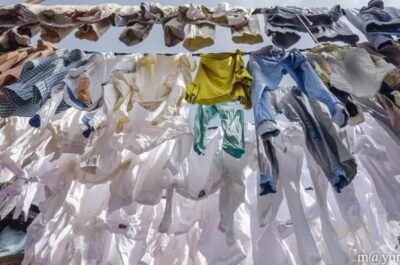
Dhobi Ghat Laundry and Dharavi Slum Tour with Local Train
Read our review →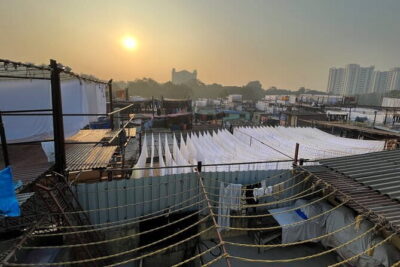
Dharavi Slum & Dhobi Ghat Mumbai: Private Guided Tour
Read our review →
Best Combo Tour: Dabbawalas, Dhobi Ghat and Slum with Train
Read our review →
Mumbai Unseen: Local Train Ride And Sightseeing Tour
Read our review →Browse the lists this tour appears in