
REVIEW · MUMBAI
Meet Dabbawala Visit Dhobi Ghat & Dharavi slum with Train
Mumbai’s working life takes center stage on this four-hour tour. You’ll meet the famed dabbawalas, watch laundry being scrubbed and pressed at Dhobi Ghat, then ride local trains to Dharavi with a guide who explains its homes, workshops, and small businesses.
I like the way the tour joins three very different parts of the city instead of treating Mumbai as a string of photo stops. I also like that train tickets, water, and a small group of up to 15 people are included. The main consideration is comfort: trains can be crowded, Dharavi requires sensitivity, and the tour is mostly on foot.
The meeting point is listed as a Chemist Stall, and the tour ends at Sai Multispeciality Hospital & Research Centre. No hotel pickup is provided, and the exact dabbawala meeting point and guide’s name are not supplied, so confirm the start details before setting out.
Key points at a glance
- Dabbawalas at work: Learn about Mumbai’s famous lunchbox delivery network and the discipline behind it.
- Dhobi Ghat in 30 minutes: See rows of open-air washing and ironing areas near the railway line.
- Two local train rides: Travel for about 10 minutes at a time and get a close look at daily commuting in Mumbai.
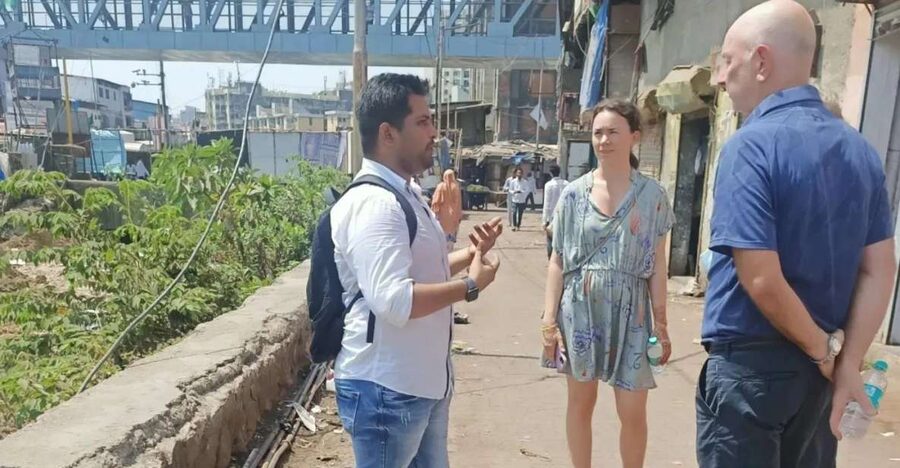
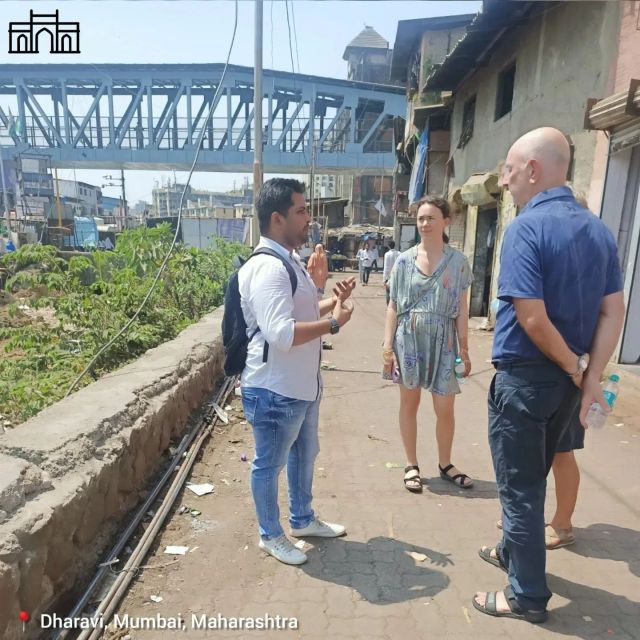
- Two hours in Dharavi: Walk with a local guide through a community known for small-scale industry and enterprise.
- Small-group format: The group is limited to 15 people, useful in narrow lanes and busy stations.
- Simple pricing: At $26 per person, the tour includes the guide, train tickets, and a bottle of water, but not meals or transfers.
Why this tour gives you a working Mumbai, not a postcard Mumbai

Mumbai is easy to reduce to grand buildings, waterfront views, and film glamour. This tour takes a different route. It focuses on the people and systems that keep the city moving: lunchbox couriers, laundry workers, commuters, and business owners in Dharavi.
That makes the experience useful if you want to understand how Mumbai functions. The dabbawalas show precision and teamwork. Dhobi Ghat shows manual labor on a large scale. The train ride puts you into the city’s daily rhythm. Dharavi adds a closer look at homes, workshops, and local enterprise.
I especially like the way these stops connect. You are not simply visiting three unrelated sights. You are seeing how food, clothing, transport, and work fit together in one crowded city.
There is also a clear ethical question here. Dharavi is a residential community, not a theme park. The tour states that visits are conducted with respect for privacy and dignity. You should follow that rule yourself: listen more than you photograph, ask before taking pictures, and do not treat people’s homes or workplaces as scenery.
More Train Tours in Mumbai:
- Dabbawala, Dhobi Ghat & Dharavi slum Tour with Local Train Ride
★ 5.0 · 102 reviews - Mumbai: Dharavi Slum and Dhobi Ghat Tour with Train Ride
★ 5.0 · 9 reviews - Primmum Mumbai Sightseeing With Local Train Ride Experience
★ 5.0 · 7 reviews
Starting near Churchgate and meeting the dabbawalas
The day begins at a Chemist Stall, followed by a guided visit around Churchgate Railway Station. The exact meeting instructions should be checked carefully before you leave your hotel, since the tour does not include pickup.
Churchgate is a sensible starting point for a tour built around public transport. It is one of Mumbai’s major railway stations, and the first 30-minute walk and orientation help you see the city from the point of view of commuters rather than sightseers.
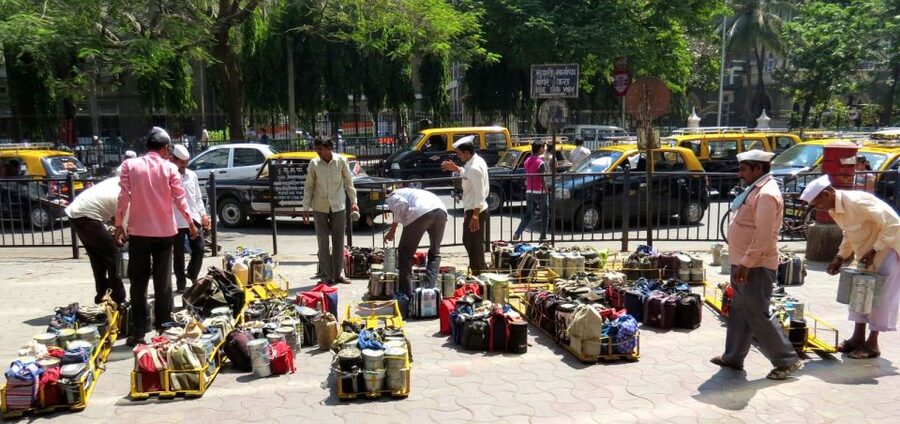
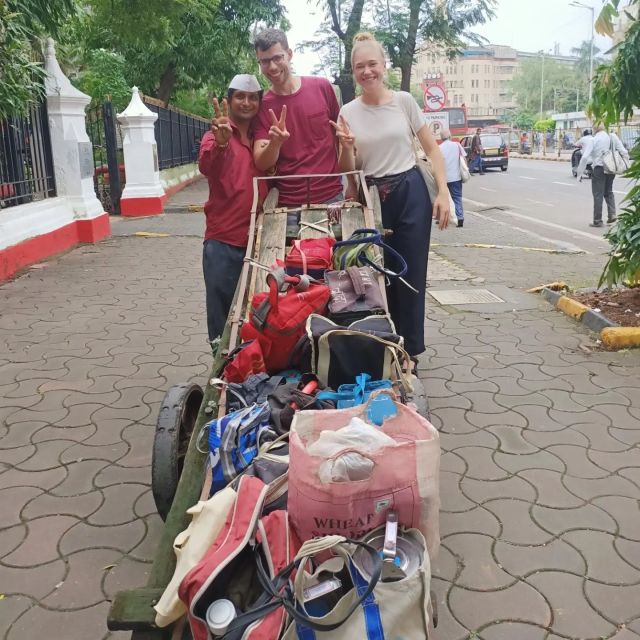
The dabbawala portion is one of the most distinctive parts of the experience. Mumbai’s dabbawalas collect and deliver lunchboxes across the city, using a carefully arranged system of collection, sorting, transport, and return. The tour is designed to introduce you to this work at one of the collection points and explain its cultural importance.
What makes this valuable is the contrast between the system’s simple tools and its demanding level of coordination. Lunchboxes move through a city where roads are congested, trains are packed, and distances are long. You get a practical look at a local service that is part of everyday life, not a staged cultural display.
The supplied details do not name the individual dabbawalas or guarantee a private talk with one person. Expect an introduction and explanation through the tour rather than a formal presentation. If meeting the dabbawalas is your main reason for booking, ask the operator where this part takes place and how much time is set aside for it.
The short train ride is part of the lesson
Two train segments are listed, each lasting about 10 minutes. These are not long scenic railway journeys. Their value is that they place you inside Mumbai’s main commuting system.
The local train ride can feel like a small adventure, especially if you are not used to the speed and density of a major Indian railway network. The description calls it organized chaos, which is a fair way to think about the experience: people know where they are going, but the movement can look startlingly fast to an outsider.
The train also links the stops in a meaningful way. You move as many residents do, rather than passing from one attraction to another in a private vehicle. You see the city in motion and share space with a wide range of commuters.
There are practical limits. The train may be crowded, and the operator specifically advises you to watch your belongings and follow safety guidance. Keep your phone and wallet secure, stay close to the guide, and wear shoes that are comfortable for walking and station movement. The tour is not a good fit if you want a quiet, relaxed transfer between sights.
Train tickets are included, which removes one small task from the day. The group size of no more than 15 also matters here. A large group would be harder to keep together on platforms and inside carriages.
Dhobi Ghat: laundry on a citywide scale
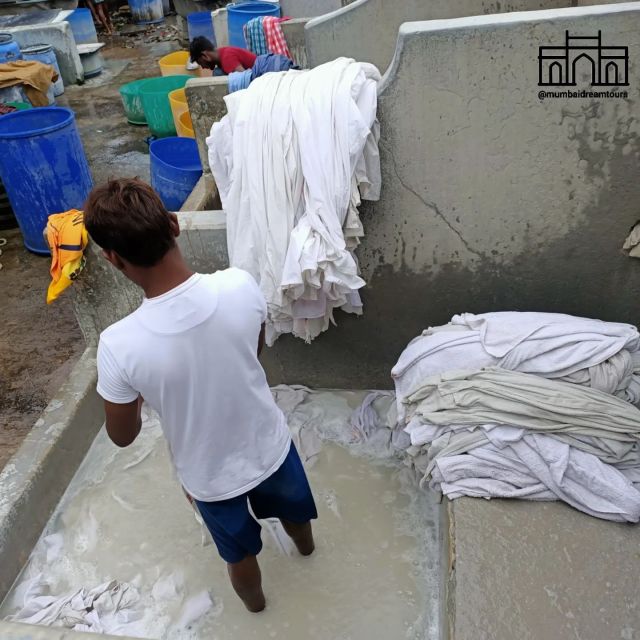
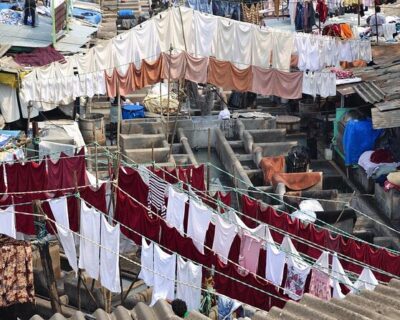
After the first train ride, you visit Dhobi Ghat for about 30 minutes. This open-air laundry is one of Mumbai’s most striking working sites. Rows of washing areas show how clothing from across the city is cleaned, dried, and pressed by dhobis, the workers who operate there.
The appeal is not decoration. It is process. You see a labor-intensive service organized into a compact area, with each stage of the work taking place in a tightly managed setting. The tour gives you a guide’s explanation rather than asking you to guess what you are seeing.
Thirty minutes is enough for an introduction and a walk through the viewing area, but it is not a long study of the laundry operation. That is worth knowing if you want extended time for photography or detailed conversation. This stop works best as a focused look at urban work before the tour moves on.
The site also reinforces one of the tour’s main ideas: Mumbai relies on networks that are easy to overlook. Laundry, like lunch delivery, is part of the city’s daily routine. Seeing both in one morning helps you understand the practical ingenuity behind ordinary city life.
Be respectful with cameras. Workers are doing their jobs, and a crowded workplace is not the place to assume that every person wants to be photographed. Follow the guide’s directions and ask before taking close-up images.
Same tracks, a very different ride:
- Mumbai City + Dabbawala aka Lunchbox + Train Ride Tour – The Unfeigned Mumbai.
★ 5.0 · 6 reviews - Mumbai: Dhobi Ghat Tour with Dharavi and Train Ride Options
★ 3.4 · 5 reviews - Dharavi Slum & Dhobi Ghat Mumbai: Private Guided Tour
★ 5.0 · 4 reviews - Dhobi Ghat Laundry and Dharavi Slum Tour with Local Train
★ 5.0 · 4 reviews
Two hours in Dharavi with a local guide
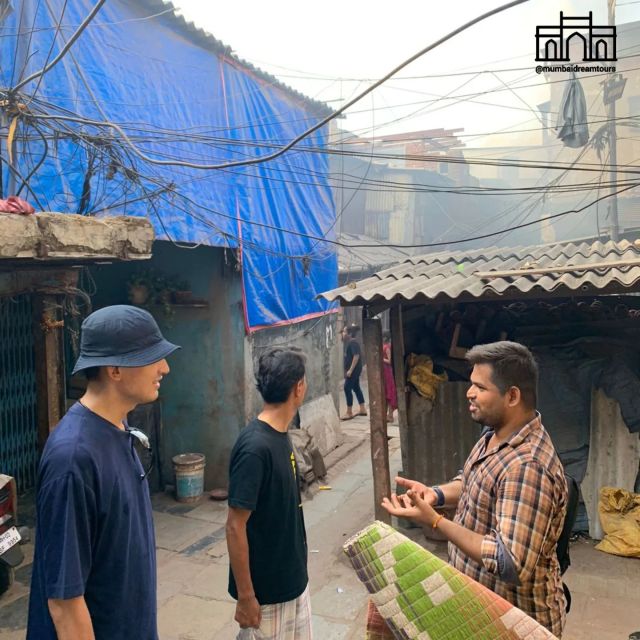
The longest part of the tour is the two-hour visit to Dharavi. This gives the guide time to explain more than a single viewpoint or main road. You can expect a walking tour focused on community life, small-scale industries, and the resourcefulness of residents.
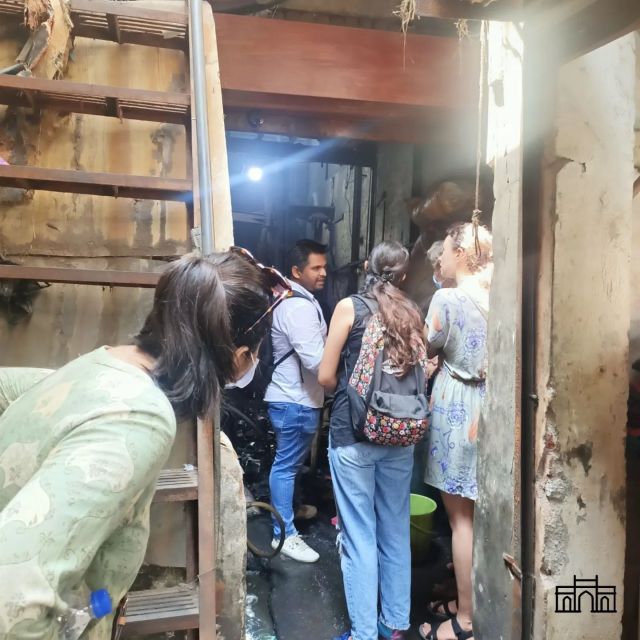
Dharavi is often described in blunt terms because of its lack of space and difficult living conditions. That description alone misses much of what the tour aims to show. The supplied information emphasizes entrepreneurship, craft work, and local economic activity. You may see workshops and businesses operating in close quarters, with the guide explaining how people work and live in the area.
Craft workshops are included in the tour description, although the exact businesses and activities can vary. The experience may give you a chance to engage with local artisans or see how goods are made. Treat these encounters as working visits, not guaranteed shopping stops or demonstrations created solely for visitors.
The two-hour length is a real advantage. Dharavi cannot be understood from a quick drive past its edge. Walking gives you time to notice the scale of the community, the narrow routes between buildings, and the way work takes place close to homes. It also gives the guide room to discuss the area with more care.
Still, this is the most sensitive section of the tour. Dharavi is home to residents who did not choose to become a tourist attraction. You should not stare into private spaces, block walkways, or photograph people without permission. A responsible visit means listening to the guide, staying with the group, and remembering that poverty is not entertainment.
The tour’s stated approach is to visit with respect for privacy and dignity. That promise is important, but your behavior matters just as much. If you prefer only monuments and museums, this may not be comfortable. If you want to understand a working community and can do so with humility, the visit can be one of the more useful parts of your time in Mumbai.
What the $26 price actually covers
At $26 per person, this is a fairly efficient way to combine several experiences that would be harder to arrange alone. You receive an English-speaking guide, train tickets, and bottled water. The guide is doing more than leading the walk: the explanations are what turn the dabbawalas, Dhobi Ghat, train, and Dharavi into a connected story.
The price does not include hotel pickup, hotel drop-off, food, or drinks beyond the supplied water. You need to reach the Chemist Stall yourself and arrange your return from Sai Multispeciality Hospital & Research Centre. Build those extra transport costs and some food money into your plans.
The value is strongest if you want public transport and interpretation. Someone who already knows Mumbai well and is happy to arrange train travel independently may prefer a simpler, self-guided day. For a first visit, the guide can save time and help you understand what you are seeing.
The four-hour duration also keeps the cost practical. You get a concentrated morning or afternoon rather than a full-day commitment. At the same time, the program moves at a steady pace, with walking, stations, train rides, and a long Dharavi visit. It is not a leisurely tour with long breaks.
Who will enjoy this experience most

I would recommend this tour to you if you want to see how Mumbai works rather than only what it looks like. It suits curious visitors who are comfortable with public transport, walking, crowded surroundings, and a serious conversation about working communities.
It is also a good choice if you have limited time. In four hours, you cover the dabbawalas, Dhobi Ghat, local trains, and Dharavi. The stops are varied enough to give you a broad first impression of the city’s daily systems.
The tour is less suitable if you need private transport, quiet conditions, or a highly polished sightseeing route. It may also feel demanding if you are uneasy in crowds or uncomfortable visiting a residential community as part of a tour.
Families with older children may find the train and workshop elements interesting, but the tour data does not specify a minimum age or child arrangements. Ask the operator if you are booking for children.
Practical advice before you go
Wear comfortable walking shoes. The program includes a 30-minute guided walk at Churchgate, a walk at Dhobi Ghat, train platforms, and two hours on foot in Dharavi.
Carry only what you need and keep your belongings close during the train rides. The operator specifically warns you to be careful with personal items and to follow safety instructions.
Bring water if you prefer more than the single bottle provided. Food and drinks are not included, so plan around the four-hour schedule.
Confirm the exact meeting instructions before the day of the tour. The starting point is given as a Chemist Stall, while the first formal stop is Churchgate Railway Station. The finish is at Sai Multispeciality Hospital & Research Centre, not back at your hotel.
English is the listed tour language. The group is limited to 15 people, which is a useful balance between keeping the price down and making it possible to hear the guide.
Free cancellation is available up to 24 hours before the experience for a full refund. You can also reserve now and pay later, which helps if your Mumbai schedule is still changing.
Should you book this Mumbai tour?

Book it if you want a direct look at Mumbai’s work, transport, and community life, and if you are willing to approach Dharavi with respect. The strongest parts are the connection between the dabbawalas and Dhobi Ghat, the included local train rides, and the generous two-hour Dharavi visit.
Think twice if you want a calm sightseeing tour, private transfers, or a short photo stop in a residential area. The exact dabbawala meeting details are not provided, so confirm those before paying.
For $26, the tour offers strong value when you want context as well as movement. It will not show you every side of Mumbai, but it gives you a grounded look at the people and systems that make the city run.
FAQ
Where does the tour start?
The starting location is listed as a Chemist Stall. The first scheduled stop is Churchgate Railway Station, so confirm the exact meeting instructions before the tour.
Where does the tour finish?
The tour finishes at Sai Multispeciality Hospital & Research Centre. Hotel drop-off is not included.
How long does the tour last?
The experience lasts four hours. It includes about 30 minutes at Churchgate, two local train rides of about 10 minutes each, 30 minutes at Dhobi Ghat, and two hours in Dharavi, along with walking time.
Are train tickets included?
Yes. Train tickets are included in the tour price.
Is food included?
No. Food and drinks are not included. A bottle of water is provided.
What language is the tour conducted in?
The tour is conducted in English with a live English-speaking guide.
Just added around Mumbai
- Mumbai Unseen: Local Train Ride And Sightseeing Tour★ 5.0 · 3 reviews
- Mumbai Slum Tour with Dhobi Ghat Laundry & Train Ride Tour★ 5.0 · 2 reviews
- All in one-Combo of City, Dhobighat, Slum & Dabbawala with ferry and train ride.★ 4.5 · 2 reviews
- Dharavi Slum & Dhobi Ghat Mumbai: Private Guided Tour★ 5.0 · 4 reviews
- Mumbai: Dhobi Ghat Tour with Dharavi and Train Ride Options★ 3.4 · 5 reviews
- Dhobi Ghat Laundry and Dharavi Slum Tour with Local Train★ 5.0 · 4 reviews
- Dabbawaala Dhobi Ghat Dahravi slum With Local Train Ride★ 5.0 · 2 reviews
- Best Combo Tour: Dabbawalas, Dhobi Ghat and Slum with Train★ 3.5 · 3 reviews
Mumbai Train Tours, compared.

Dabbawala, Dhobi Ghat & Dharavi slum Tour with Local Train Ride
Read our review →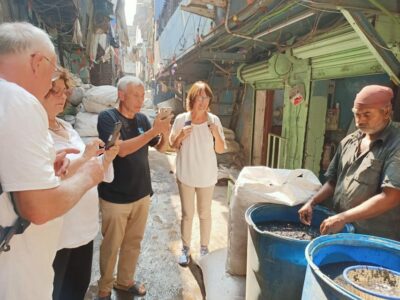
Primmum Mumbai Sightseeing With Local Train Ride Experience
Read our review →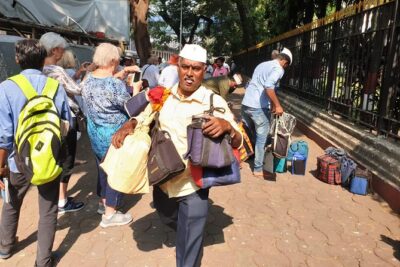
Mumbai City + Dabbawala aka Lunchbox + Train Ride Tour – The Unfeigned Mumbai.
Read our review →
Dhobi Ghat Tour with Dharavi and Train Ride Options
Read our review →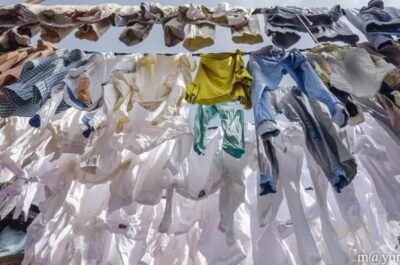
Dhobi Ghat Laundry and Dharavi Slum Tour with Local Train
Read our review →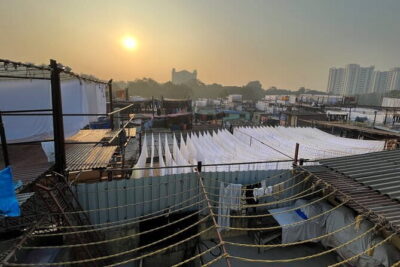
Dharavi Slum & Dhobi Ghat Mumbai: Private Guided Tour
Read our review →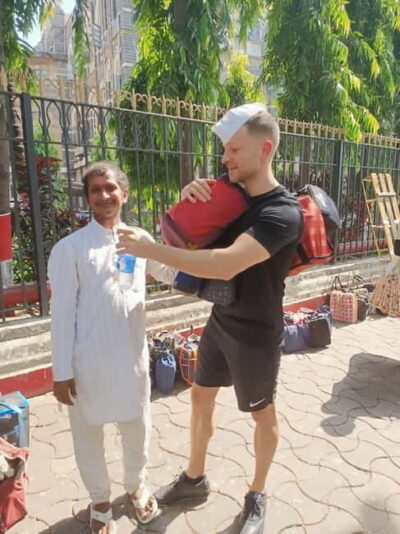
Best Combo Tour: Dabbawalas, Dhobi Ghat and Slum with Train
Read our review →Browse the lists this tour appears in